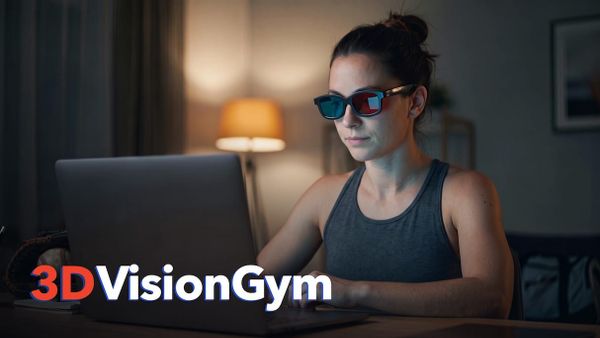
3DVisionGym - new videos
A new overview of how vision can be part of your training regime and where 3DVisionGym can play a part. Hope you'll enjoy and share with the dynamic vision advantage curious.
A new overview of how vision can be part of your training regime and where 3DVisionGym can play a part. Hope you'll enjoy and share with the dynamic vision advantage curious.
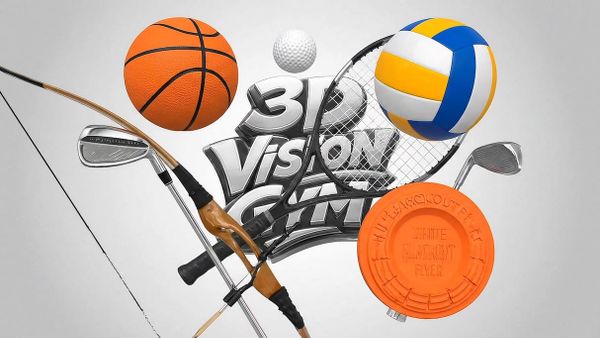
Daily Training has always built your workout for you, based on your progress in drills and unique to your sport. That stays. Now there's a new option - build whatever you like to do whenever you like. * Nine blocks to choose from. Convergence, Divergence, Jump Ductions, Depth Sensitivity, Saccadic

It’s always interesting, and a little nerve-racking to see what happens when someone you don’t know finds something you built and really puts it through its paces. Malachy Kavanagh at Shotgun Life recently did exactly that with 3D Vision Gym. In “If You Can’t See It,
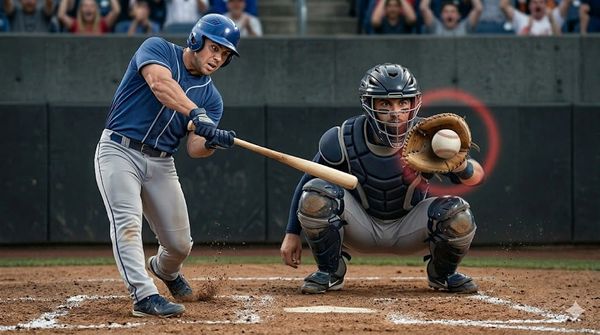
The vergence system explains what "being patient" cannot A hitter steps to the plate in the count's favor, 2-1. The fastball has been 93 all night and he has been timing it well --- solid contact on a line drive in the second inning, a hard
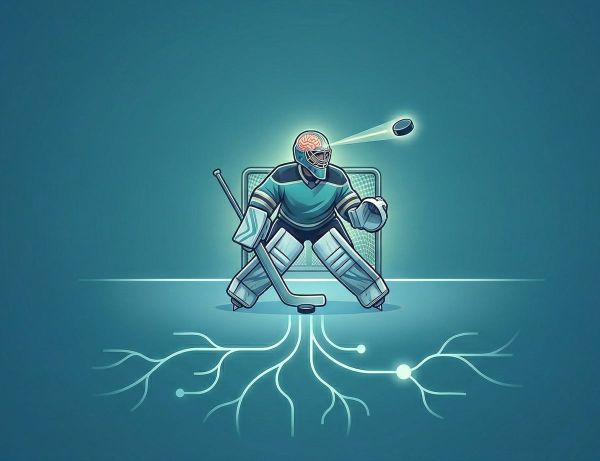
A 100 mph slap shot from the blue line reaches the net in under half a second. A goaltender facing that shot through two bodies and a screen has roughly 400 milliseconds to locate the puck, process its trajectory, and initiate a save. The difference between elite and average at
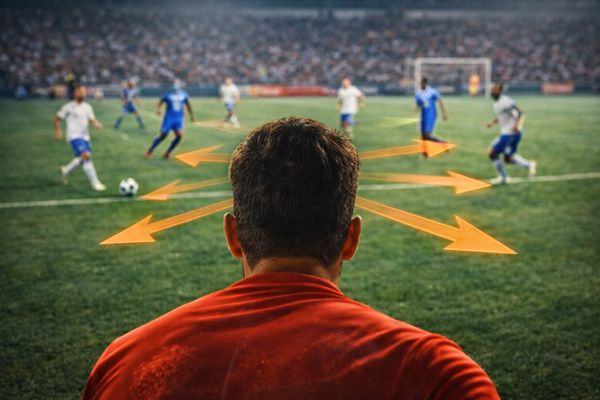
What separates elite midfielders from the rest isn't just technique. It's how they see. The Xavi Problem Watch footage of Xavi Hernandez in his prime. The ball arrives at his feet and within a touch—sometimes before the touch—he's already playing a pass
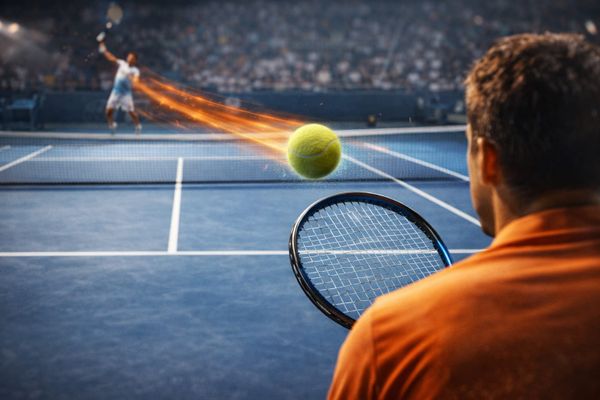
A professional tennis serve travels at 130 mph. The ball crosses the net in roughly 400 milliseconds. By the time the returner processes what they've seen and initiates their swing, more than half that time is gone. How does anyone return serve? The answer reshapes how we think

Why the game that looks slow is actually a visual puzzle You stand over a 12-foot putt, the green breaks left to right, and you need to judge both the speed and the line to drop the ball in the cup. Your caddie says it's a cup
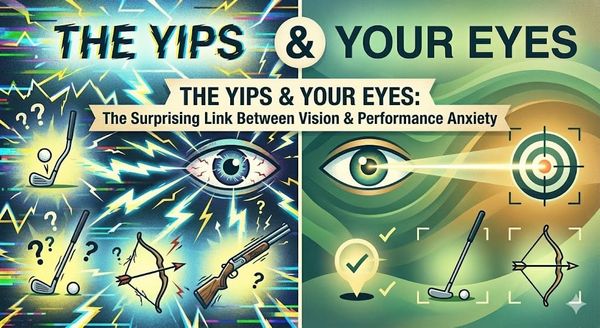
It starts small. A twitch on a short putt. A flinch before you release the arrow. A freeze right before you pull the trigger. Then it gets worse. Golfers call it the yips. Archers call it target panic. Whatever the name, the pattern is the same: a skill you'
Screen Calibration - We added a way to calibrate the app to your specific screen. This matters more than you might think. * What it does: Once you go through the calibration the app learns the actual physical size of your screen, not just its pixel count. A 27" monitor and
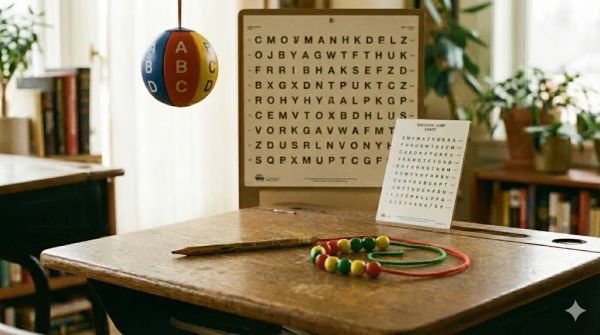
A dirty little secret We probably shouldn’t be writing this. But you don't need expensive equipment to train your visual system. Some of the most effective sports vision exercises have been around for decades—and they work because vision is fundamentally about how your brain coordinates your

There's a difference between being able to fuse a stereoscopic image and being able to fuse it under time pressure. If you've been training vergence exercises in Open Gym, you've probably noticed that at comfortable levels, you can pick out the target circle almost
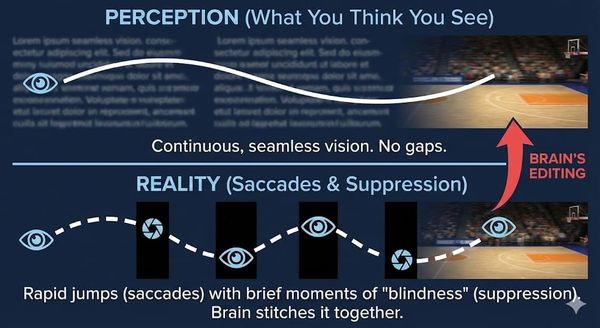
Right now, as you read this sentence, your eyes are jumping from word to word. You don't feel it happening because your brain hides the blur from you. But if someone filmed your eyes in slow motion, they'd see a series of quick hops with brief
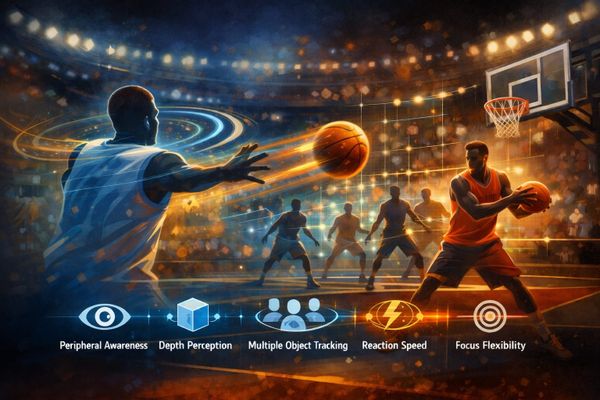
Visual skills that separate playmakers from players - and how to develop them Chris Paul throws a no-look bounce pass through three defenders to a cutting teammate for an easy layup. The arena erupts. Commentators call it "incredible court vision." But what does that actually mean? Court vision
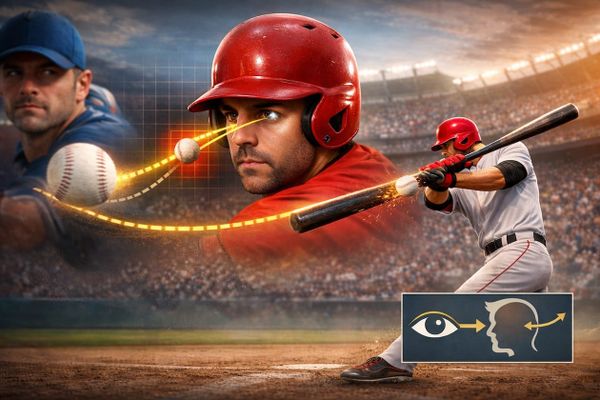
"Keep your eye on the ball." It's the oldest advice in baseball. It's also impossible to follow literally. A 90 mph fastball travels from the pitcher's hand to home plate in about 400 milliseconds. During the last portion of its flight, the
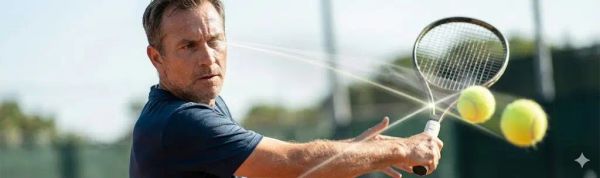
At some point, usually in your mid-40s, you notice it. The ball gets there a little faster than you expected. The print on your phone seems smaller than it used to be. Your reactions feel a half-step slow. Some of this is physical. Muscles, joints, cardiovascular capacity all
Have you been using 3DVisionGym, but wished things worked a different way? Or maybe felt something was off? Well … let me ask you a question in return; have you skipped the settings? I get it. Nobody wants to fiddle with menus when there is training to do. But a few
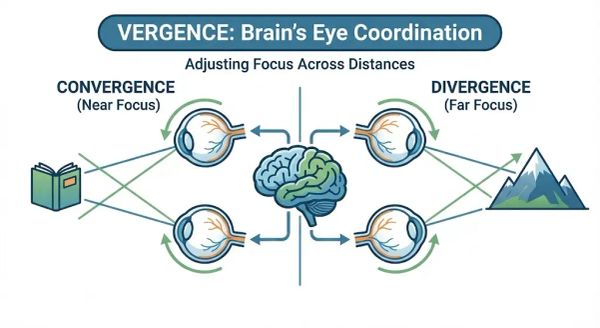
How your brain coordinates depth perception—and why it matters for sports performance Vergence? Vergence is your brain's ability to coordinate both eyes so they move in opposite directions—toward each other or away from each other—to lock onto objects at different distances. Every time you shift
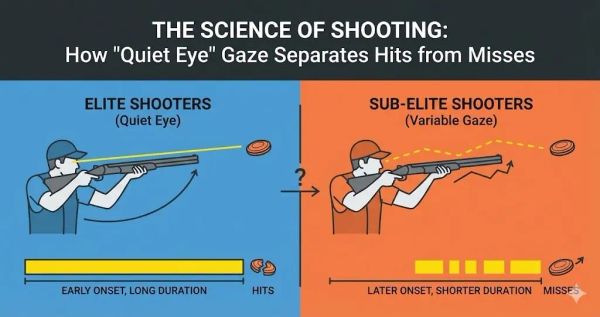
In Part 1, we covered the visual skills that matter for clay shooting: tracking, peripheral awareness, depth perception, focus flexibility, and reaction time. But what does the science actually show about how elite shooters use their eyes? A series of studies led by Joe Causer and colleagues provides the most
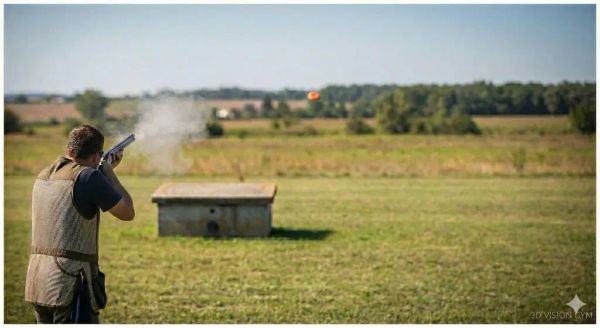
Breaking Clays: The visual skills that up-level scores You stand at station three on a skeet field. The target emerges from the high house at your left, screaming across the sky at nearly 50 mph. Your eyes lock on, track its arc, intuitively feel the lead, and your finger
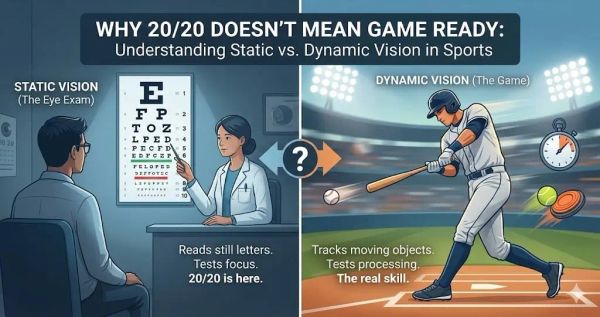
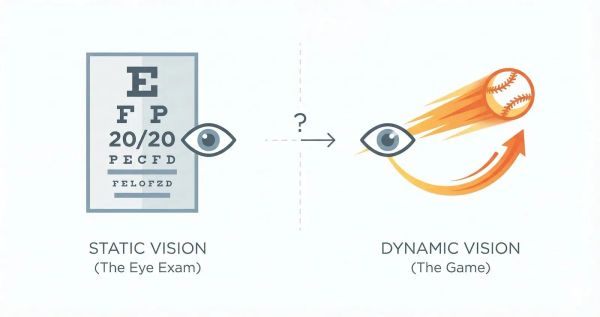
Your optometrist says your vision is perfect. You can read the bottom line of the eye chart. 20/20. So why does the ball seem to disappear halfway to the plate? Why can't you pick up that crossing clay target? Why do you struggle tracking a pass in
You have two ways of seeing. Most athletes only train one. Look at a word on this page. Notice how the letters around it get blurry? That's the difference between central and peripheral vision. The Sharp Center Your central vision comes from a tiny spot called the fovea.
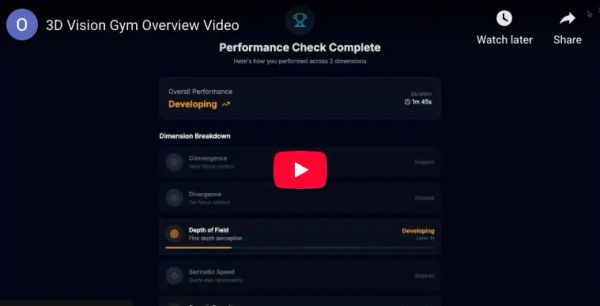
Our landing page, 3dVisionGym.com has a short 1 minute supercut style video that jumps quickly through many of the training options on offer. But that was based on a longer, slower, and easier to read version that took a more casual walkthrough of several parts of the website. It
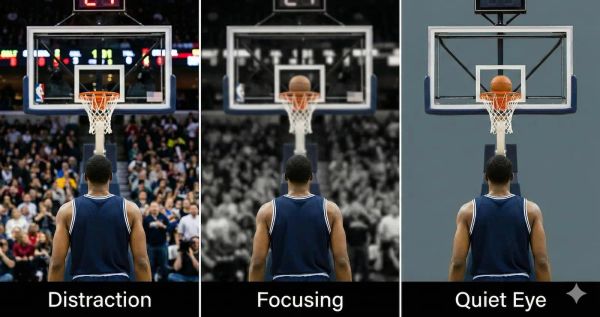
Watch a professional golfer in the seconds before they putt. Or a basketball player at the free throw line. Or an Olympic trap shooter before they call for the bird. There's a stillness there, a locked-in focus that's easy to dismiss as concentration or confidence.